Your Mind, Body & Spirit Matter

Brain Fitness Hawaii is a licensed mental health clinic dedicated to providing safe, supportive, and trauma-focused psychotherapy. We specialize in HeartMath Biofeedback, Neurofeedback, and Alpha-Theta training to help individuals struggling with anxiety, PTSD, ADHD, TBI, insomnia, and more. In addition to in office sessions, we offer telehealth and take-home neurofeedback rental program
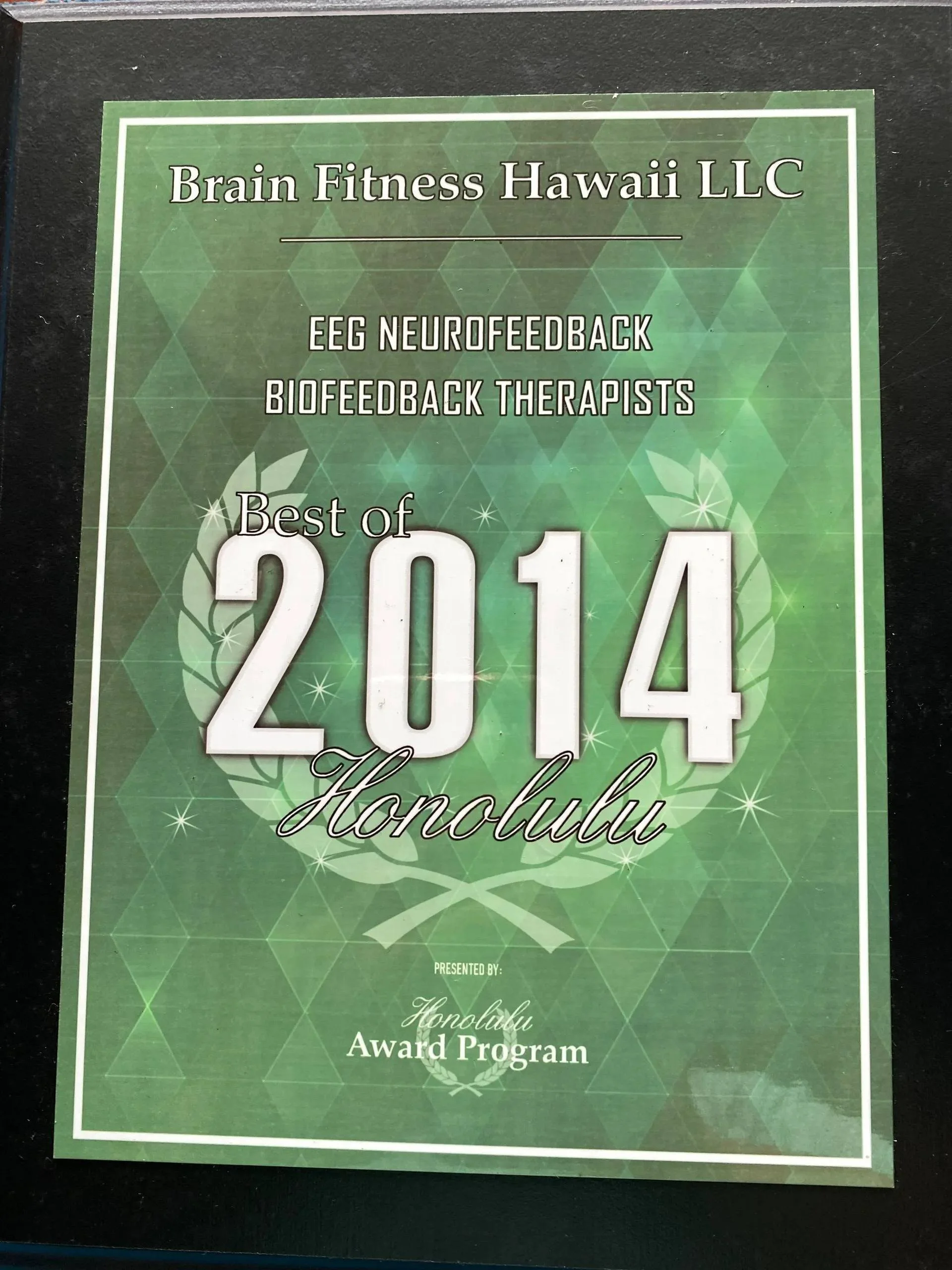
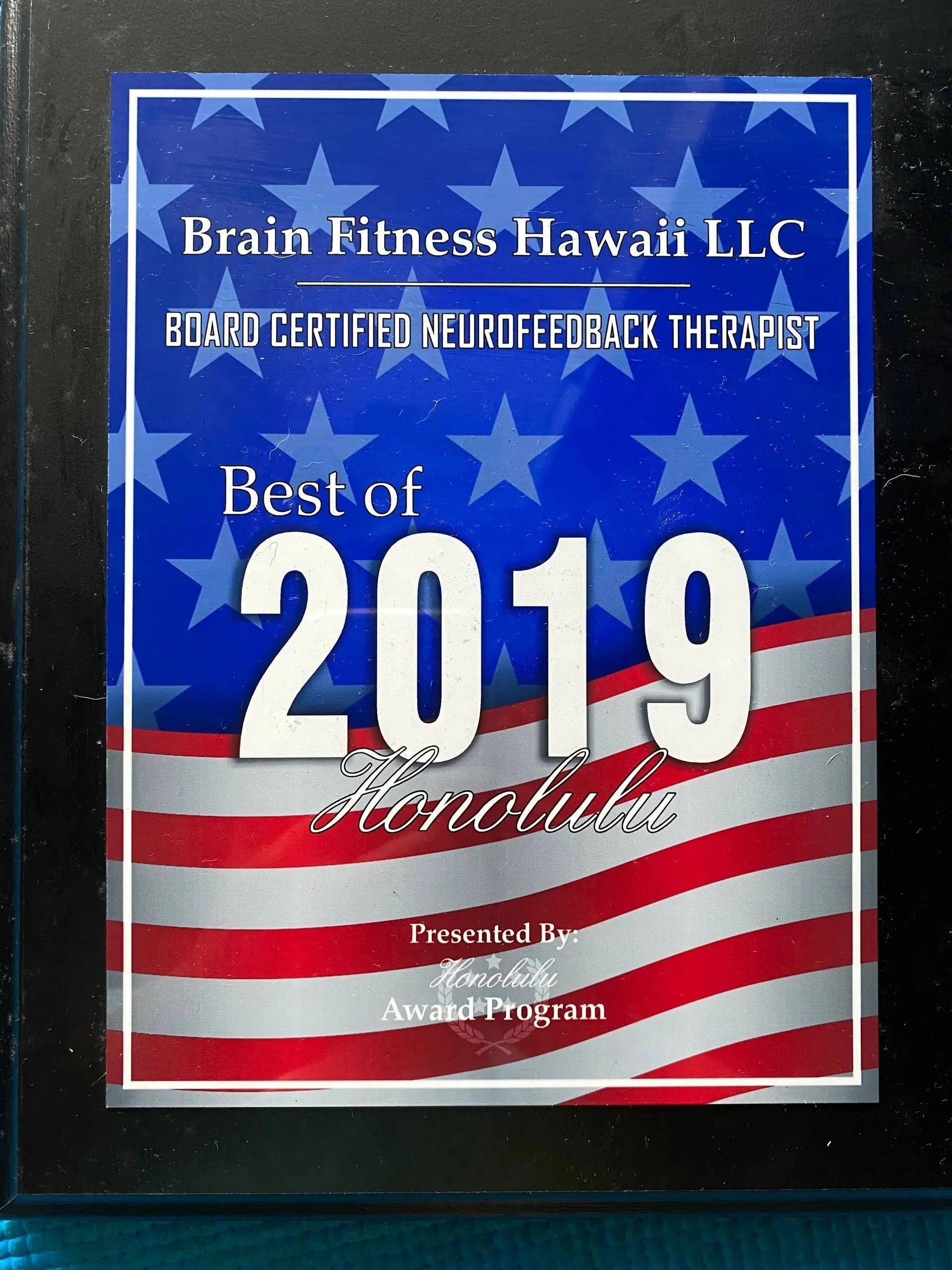
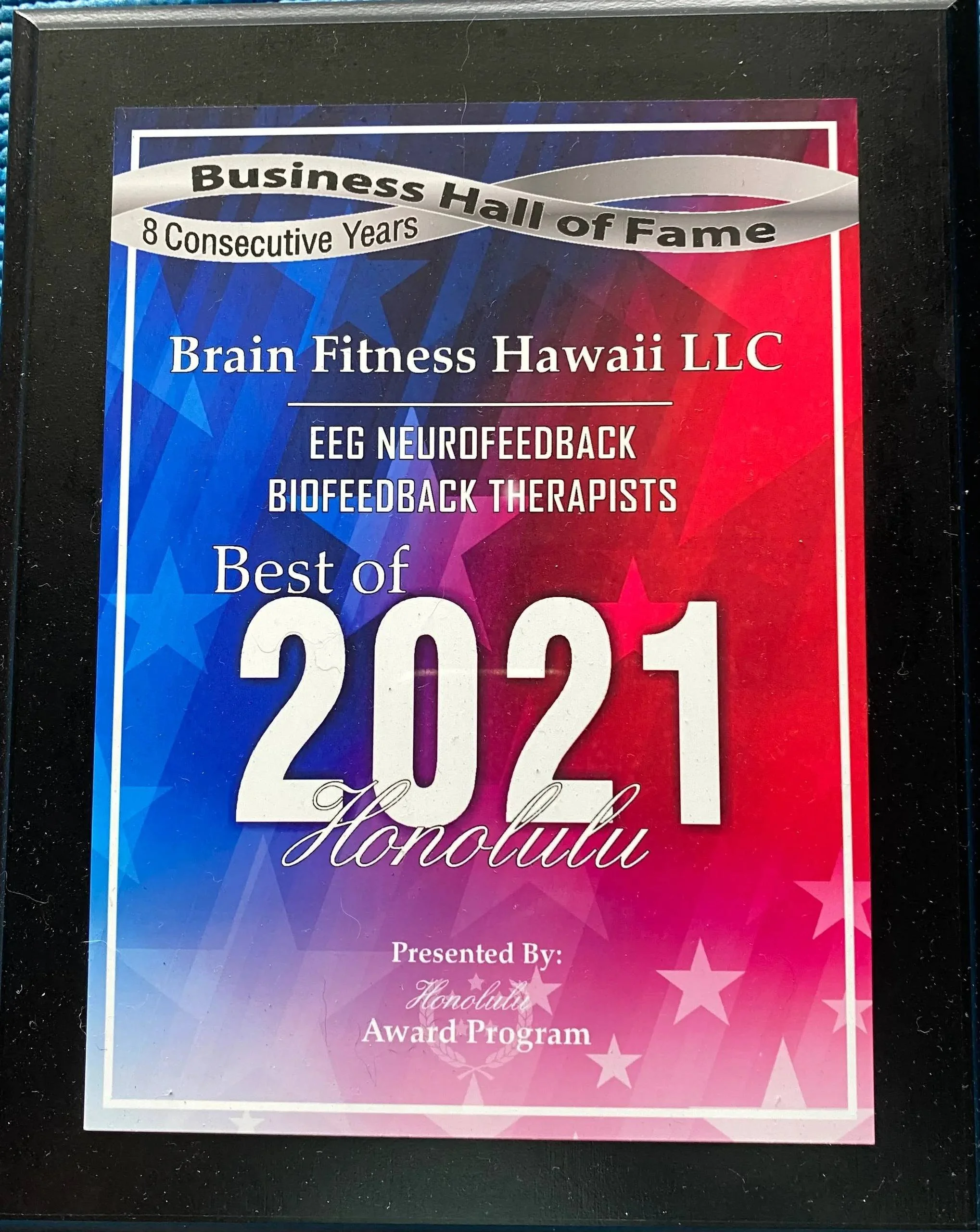
Brain Fitness Hawaii was awarded the Best of Honolulu: EEG Neurofeedback, Biofeedback for year of 2014, 2019 and 2021.
As an industry leader in Hawaii, Board Certified Neurofeedback Therapists will assist you to optimize your brain power, or offer neurofeedback at home of your comfort.
Why Choose Brain Fitness Hawai’i?
-
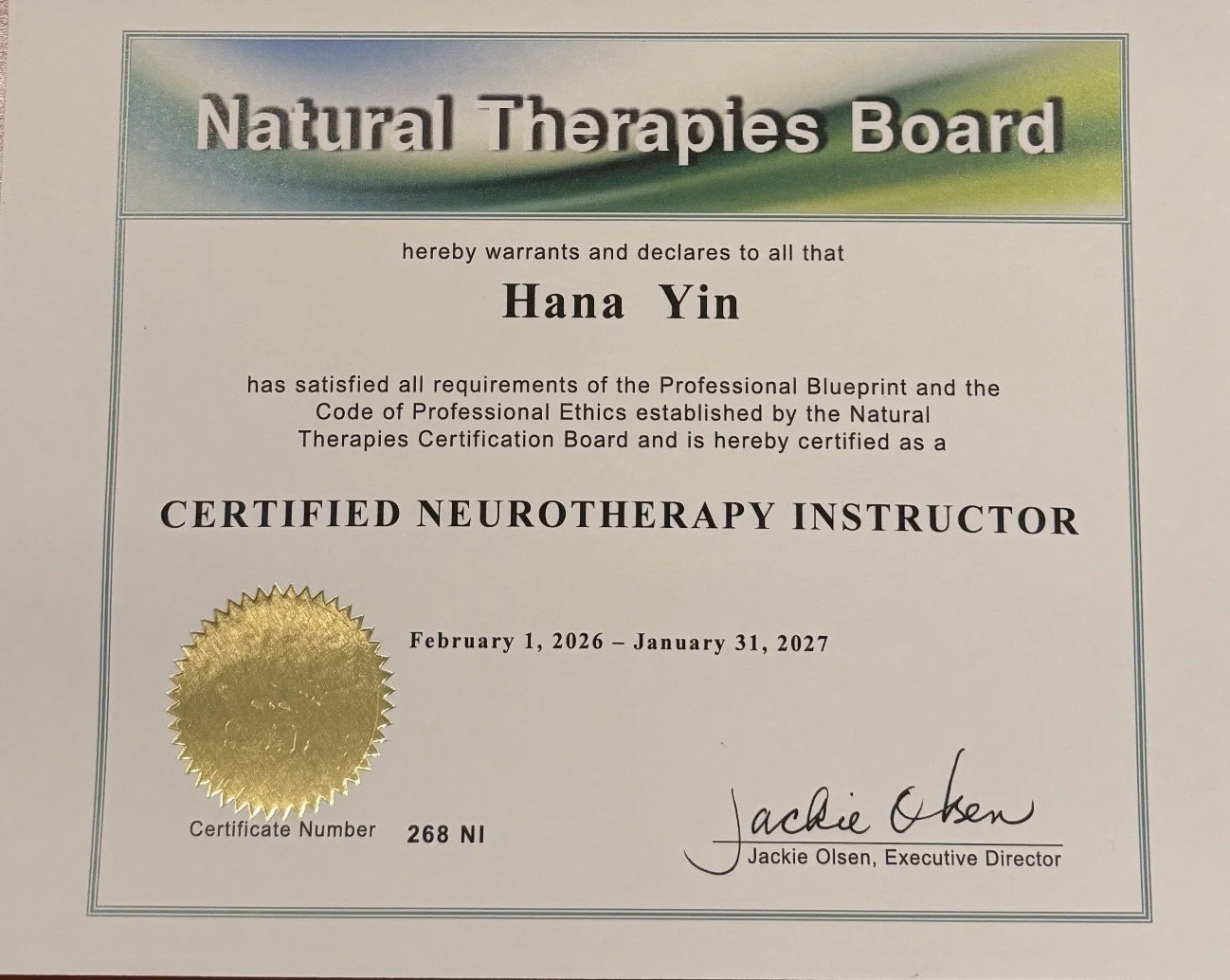
Expert Care
Our clinical director Hana Yin (PhD, LMFT, BCN) Hana Yin is a highly qualified neurofeedback supervisor and neurotherapist in the United States. Since 2010, our experienced team has proudly served the island of Hawaii, delivering the highest standard of care. We stay current with the latest advancements in neurofeedback and rely on evidence-based practices to ensure every client receives the most effective and personalized treatment possible.
Our expert team has received training from Neurofeedback pioneers like Dr. Richard Soutar (QEEG Map), Dr. Sue Othmer (IFL training) and Dr. Bill Scott (Alpha Theta training) and many more.
-

Athletes & Golfer's Competitive Edge
We believe in a personalized approach to your Peak Performance Training. Whether you are a dancer, musician, writer or an Athlete, we are taking the time to listen to your concerns and develop a customized Brain Fitness plan that meets your unique needs. We work with you every step of the way to help you achieve your health goals.
-
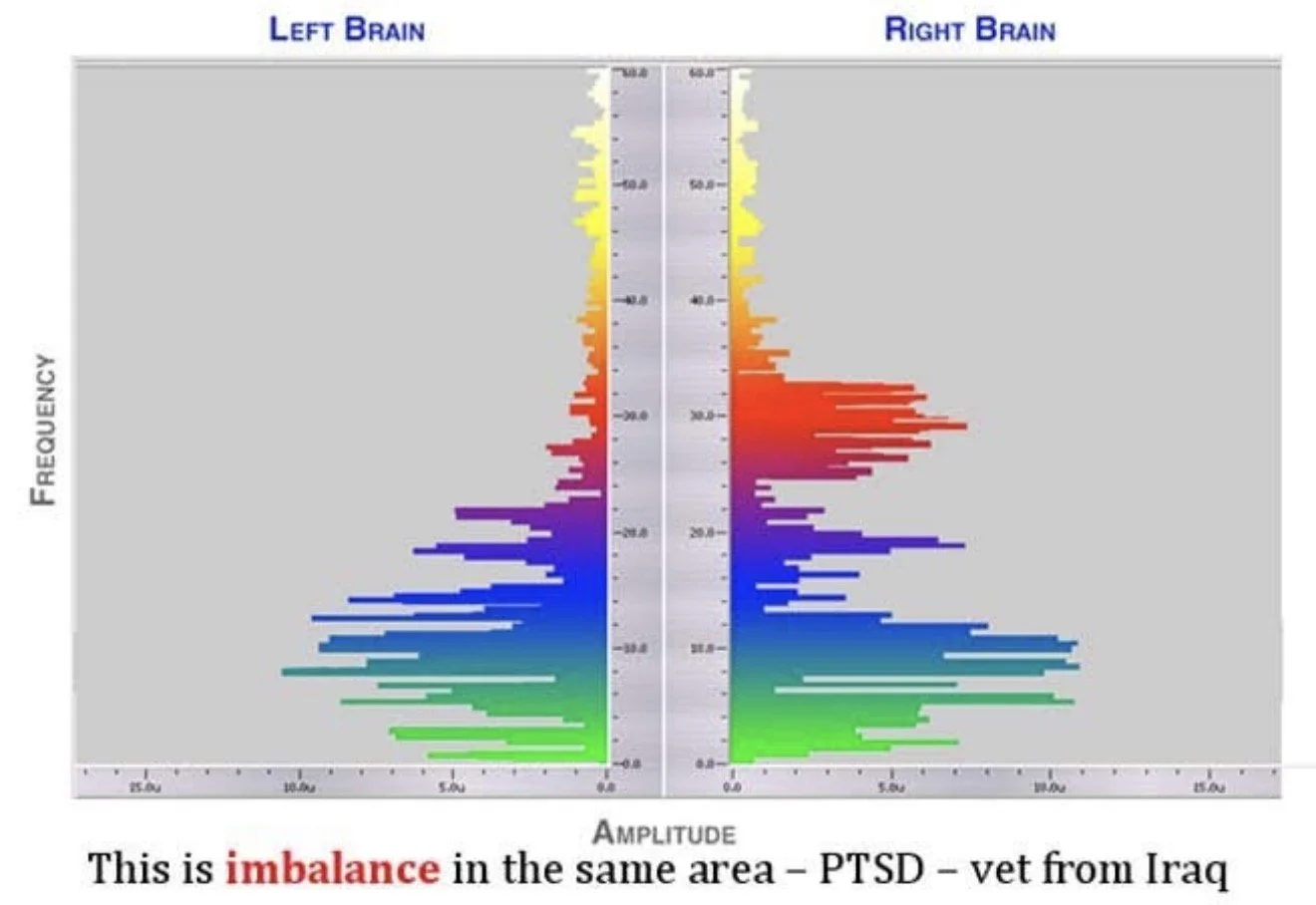
Post Traumatic Stress Disorder
We specialized trauma therapy using EFT, Trauma focused therapy models including mindfulness CBT, Biofeedback Deep Breathing and Neurofeedback services. We also offer integrated wellness programs such as Yoga, HoloTropic Breathing, Neurofeedback and Taichi designed to support your overall mental, emotional, and physical well-being.
We are proud participants in the Wounded Soldier Homecoming Service program using Cygnet IFL neurofeedback program and Alpha Theta Training.
-
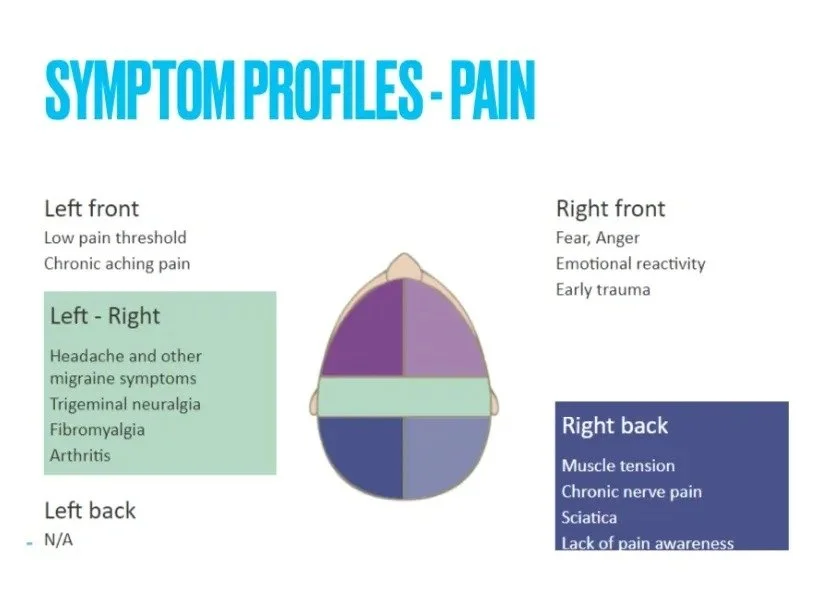
Dimensions of pain
Physical Pain: A sensory signal typically triggered by actual or potential tissue damage. It serves as a biological alarm to protect the body from further injury.
Emotional Pain: Intense feelings such as grief, rejection, or sadness that originate from non-physical sources. Notably, the brain processes emotional rejection in regions similar to those activated by physical pain.
Mental Pain: Often called "psychological pain" or "mental anguish," it involves the cognitive distress of one's thoughts, such as persistent worry, hopelessness, or the "mental torment" of trauma.
Spiritual Agony: A profound state of distress where an individual is unable to find meaning, hope, or connection. It often manifests as a "soul pain" triggered by a threat to one's relationship with a higher power or a crisis of belief.
Key Differences & Connections
Interconnectivity: Chronic physical pain can lead to depression (mental/emotional pain), while intense emotional stress can manifest as physical symptoms like headaches or muscle tension.
Duration & Impact: Unlike most physical injuries, emotional and mental wounds can leave long-term "reminders" or triggers that reactivate the pain years later.
Coping: While physical pain is often managed with medicine, spiritual and emotional agony usually require therapy, mindfulness, or finding a renewed sense of purpose.
-
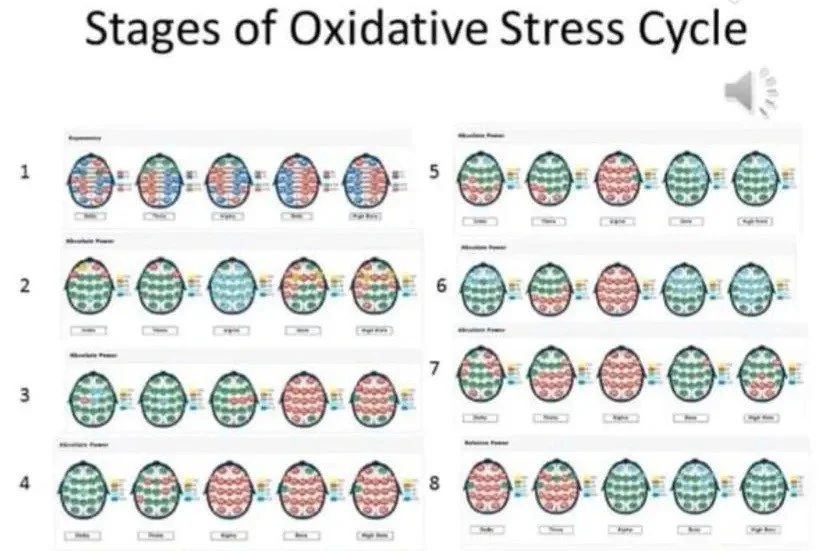
Insomnia, Anxiety & Stresses
Neurofeedback as a tool to reduce oxidative stresses
Mental Health Decay: Insomnia and PTSD can severely impair your brain's ability to process emotions and traumatic memories, which can worsen anxiety and flashbacks. Chronic lack of sleep is also linked to an increased risk of suicidal thoughts.
Cognitive Decline: You may experience trouble with memory, concentration, and learning. This often leads to decreased productivity at work or school and slower reaction times, increasing the risk of accidents.
Physical Health Risks: These conditions are associated with cardiovascular disease, hypertension, and type 2 diabetes. They also weaken your immune system, making you more susceptible to infections.
Daily Functioning & Relationships: High levels of irritability and emotional numbness can lead to social withdrawal and strained relationships with loved ones.
Advanced Psychiatry Associates +10
Why the Cycle is Hard to Break
Hyperarousal: Anxiety and PTSD keep your body in a "fight or flight" mode, making it difficult for the nervous system to relax enough to fall asleep.
Fear of Sleep: Many people develop a fear of going to sleep because they dread having nightmares or feel vulnerable during the night.
Bidirectional Relationship: Poor sleep increases vulnerability to trauma, while trauma-related stress disrupts your body's natural rhythm.
To help you learn more about neurofeedback, we’ve gathered some insightful YouTube videos from other professionals in the field. These experts are not connected with our practice, but their perspectives can help you understand the different ways neurofeedback supports brain health and well-being. We encourage you to explore these clips as part of your journey to see if neurofeedback may be right for you.
Neurofeedback: Bilingual
in English & Chinese 汉语
Our Trainings Focus
on Science & Research